Input Revision Scirpt


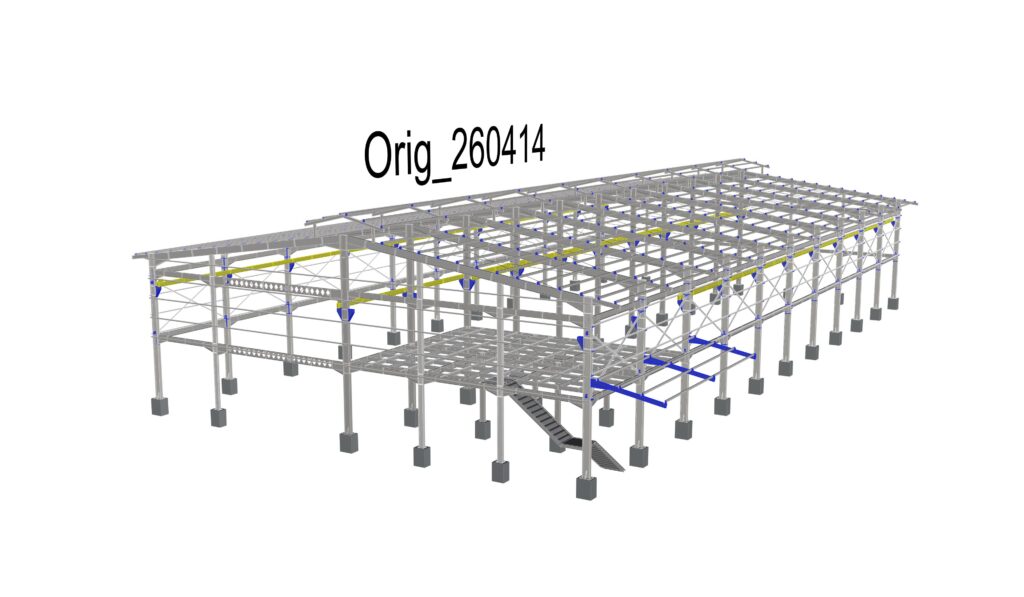
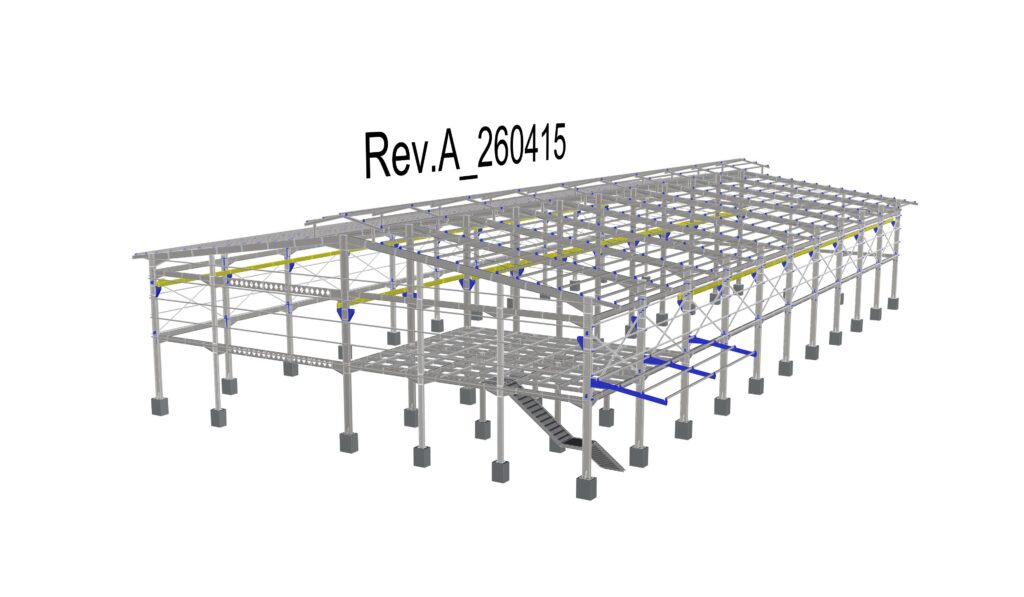
A script for comparing two versions of the same geometry (revisions). Direct comparison of pure geometric data across a wide range of formats — both solid geometry and mesh. The script is format-agnostic, meaning it can handle data from different sources and software pipelines without requiring any prior unification or conversion. Whether the input consists of precise solid bodies or polygonal mesh representations, the comparison operates directly on the raw geometric data.

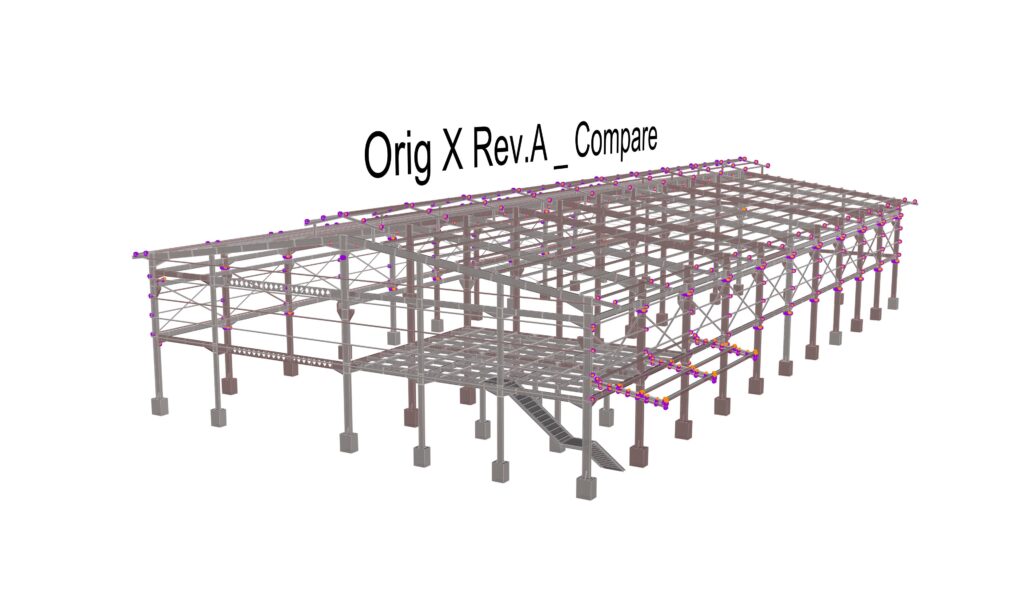
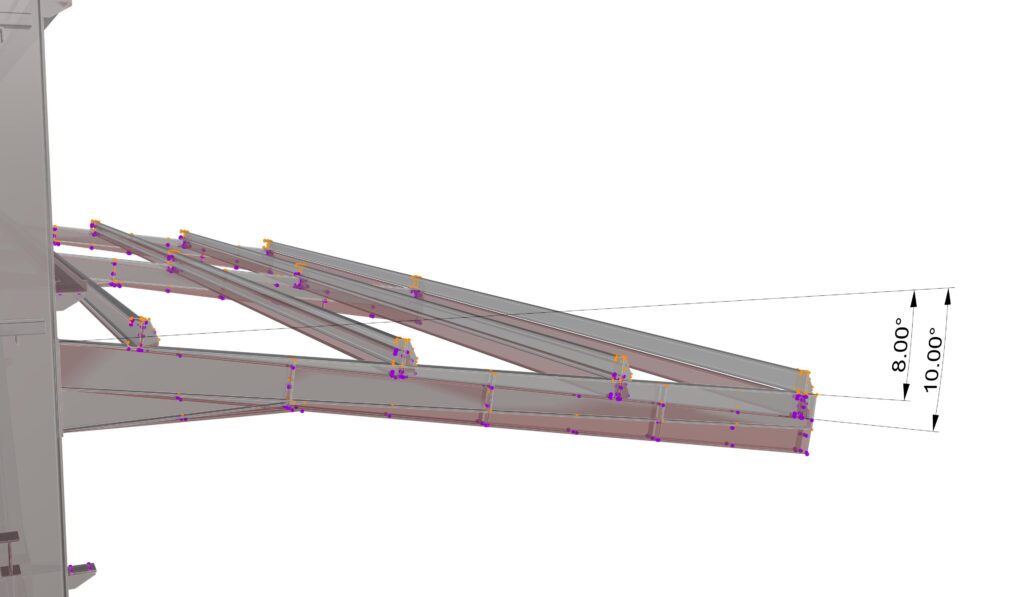
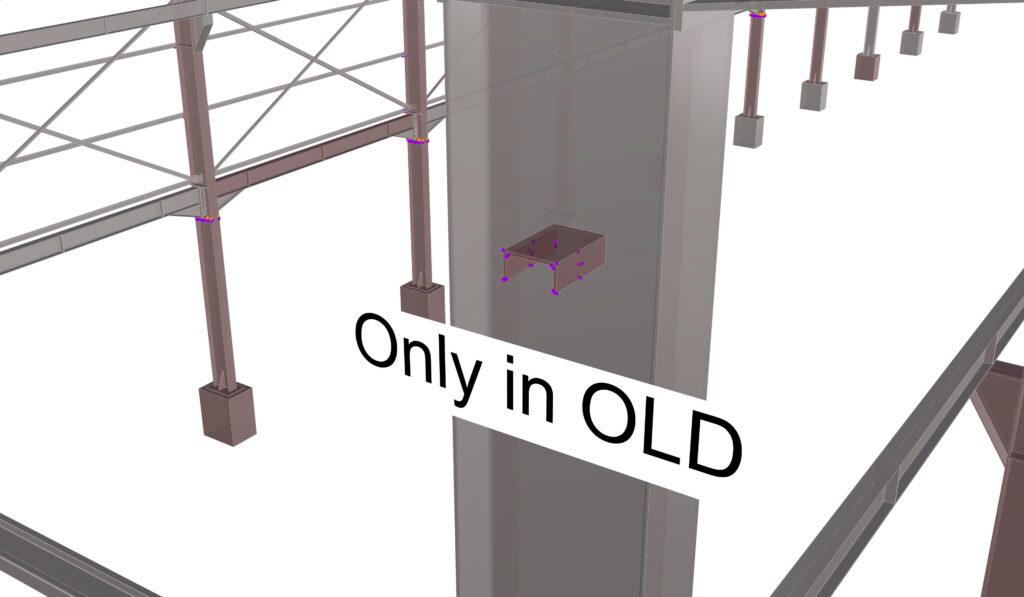
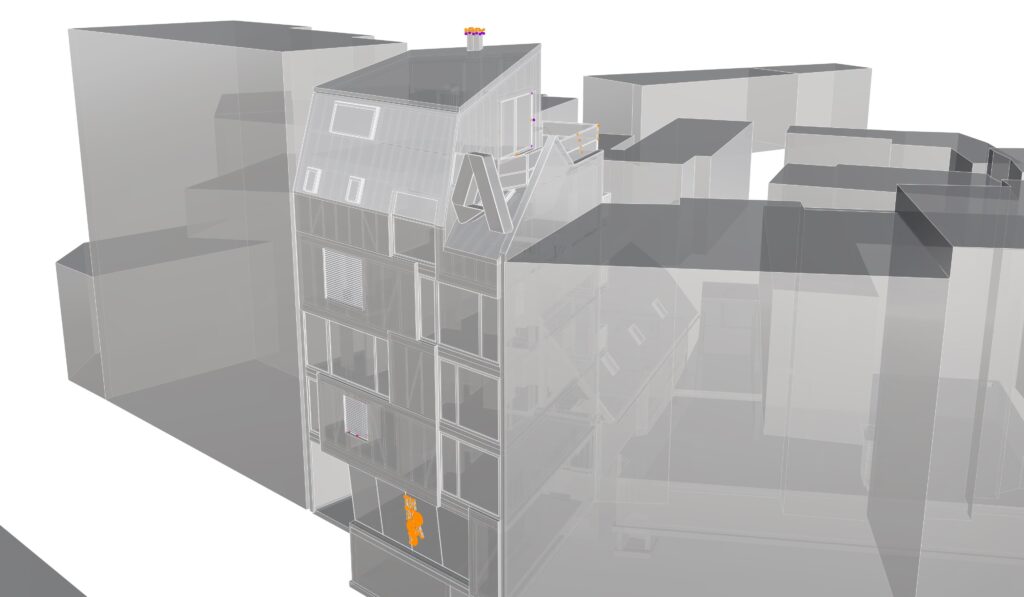
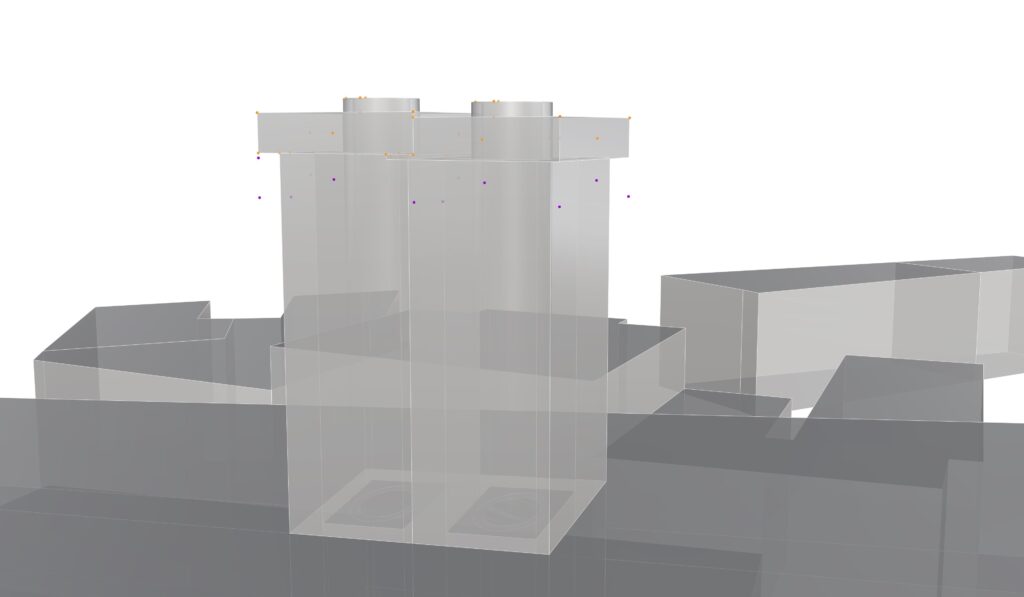
The script overlays both geometry versions on top of each other and compares their significant points. Any point that does not match between the old and new revision is highlighted — using a distinct color for each version. This allows for a quick visual review of all changes across the entire model at once, without the need to inspect individual elements manually.

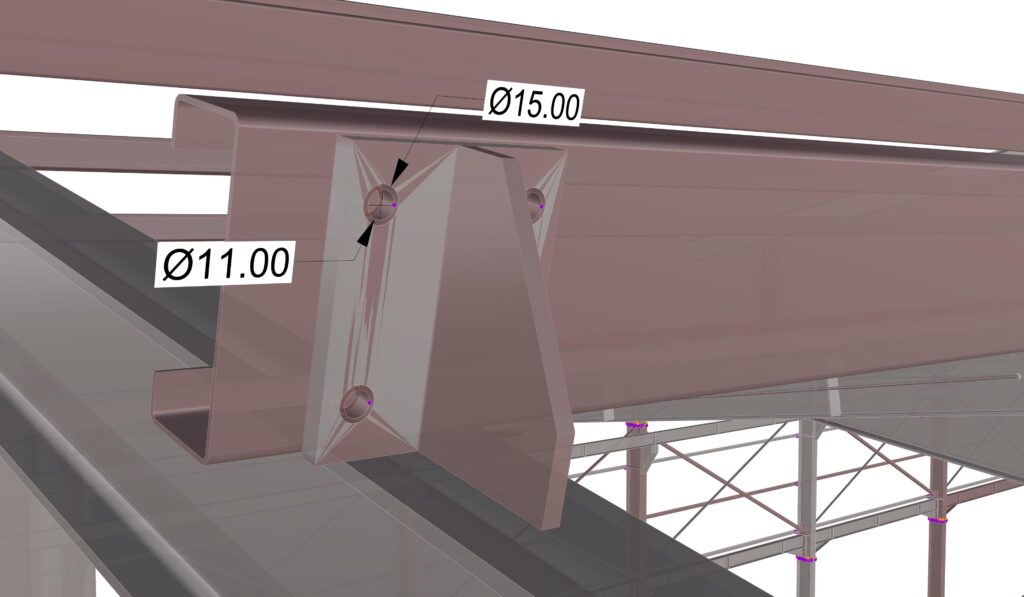
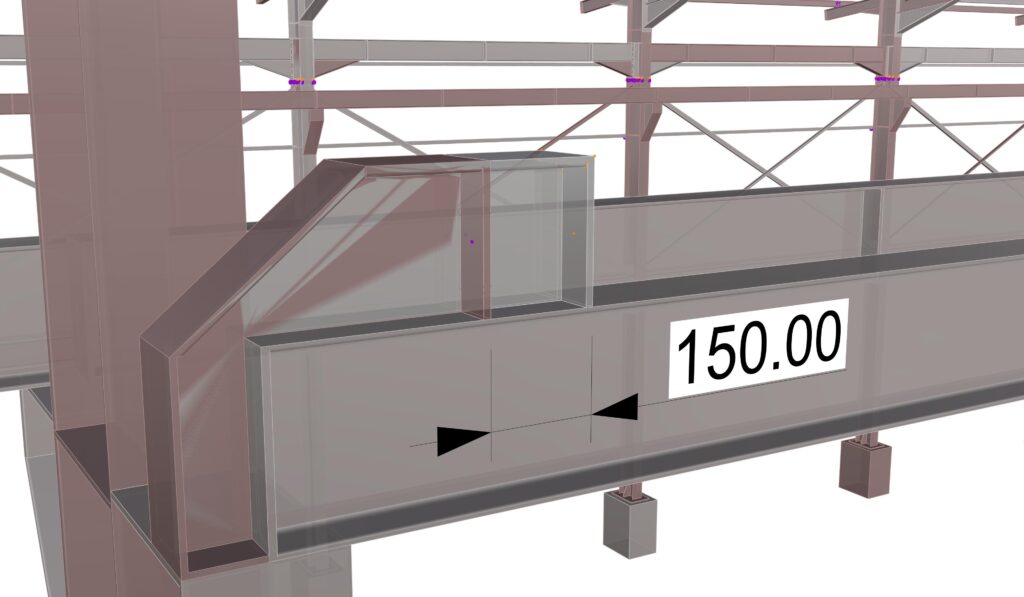
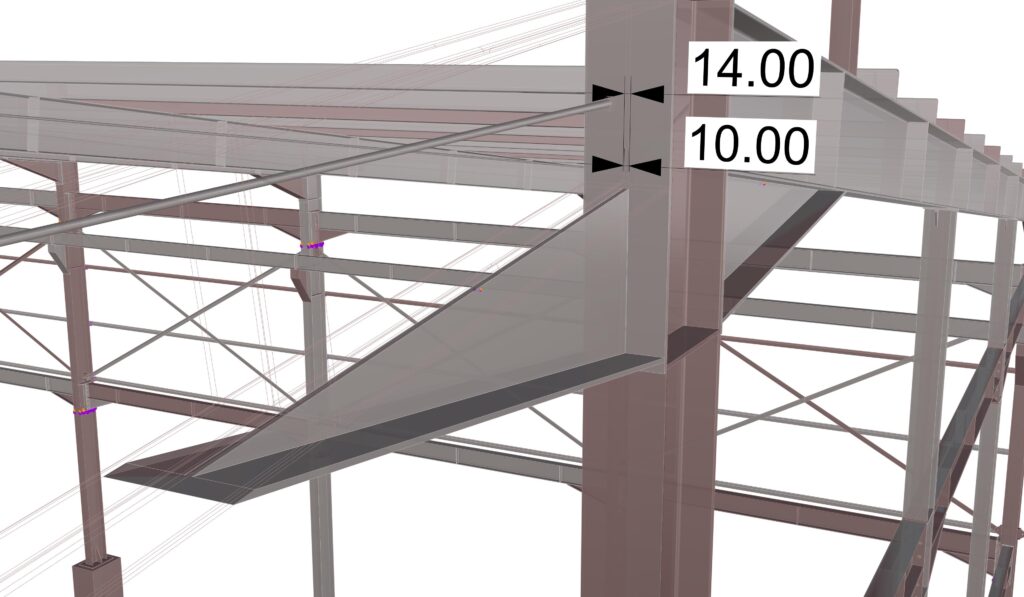
The output also includes a structured overview of all highlighted changes detected across the model. This covers a wide range of geometric differences — such as variations in hole diameters, shortened or extended individual parts, thinned or modified profiles, or angle changes affecting entire roof sections and structural assemblies. Each detected difference is listed and spatially located, giving a clear picture of the full extent of revisions without the need to hunt through the model manually.

The same principle and script can be applied to larger-scale 3D data, such as full building models exported from Revit. Even at the scale of an entire building, the comparison logic remains the same — both revisions are overlaid, significant points are evaluated, and all differences are highlighted. This makes it equally useful for architectural and structural coordination workflows, where changes between design iterations need to be tracked across complex, large-scale models consisting of hundreds or thousands of individual elements. The script handles mesh-based data equally well, including models coming from tools like SketchUp, where geometry is represented as polygonal meshes rather than precise solid bodies.